

Gambling Machines vs Online Slot Games: Key Differences
Gambling machines are physical devices located in casinos, relying on mechanical or hardware-based RNGs, while online slot games use software algorithms accessible globally via the internet. Players experience tactile feedback and social environments with physical machines JM8, in contrast to the digital interfaces and flexible playtimes of online slots, which often have higher RTP rates. Regulatory frameworks and technology also differ, influencing fairness and player protection. Understanding these distinctions can clarify which option aligns better with specific player preferences and contexts.
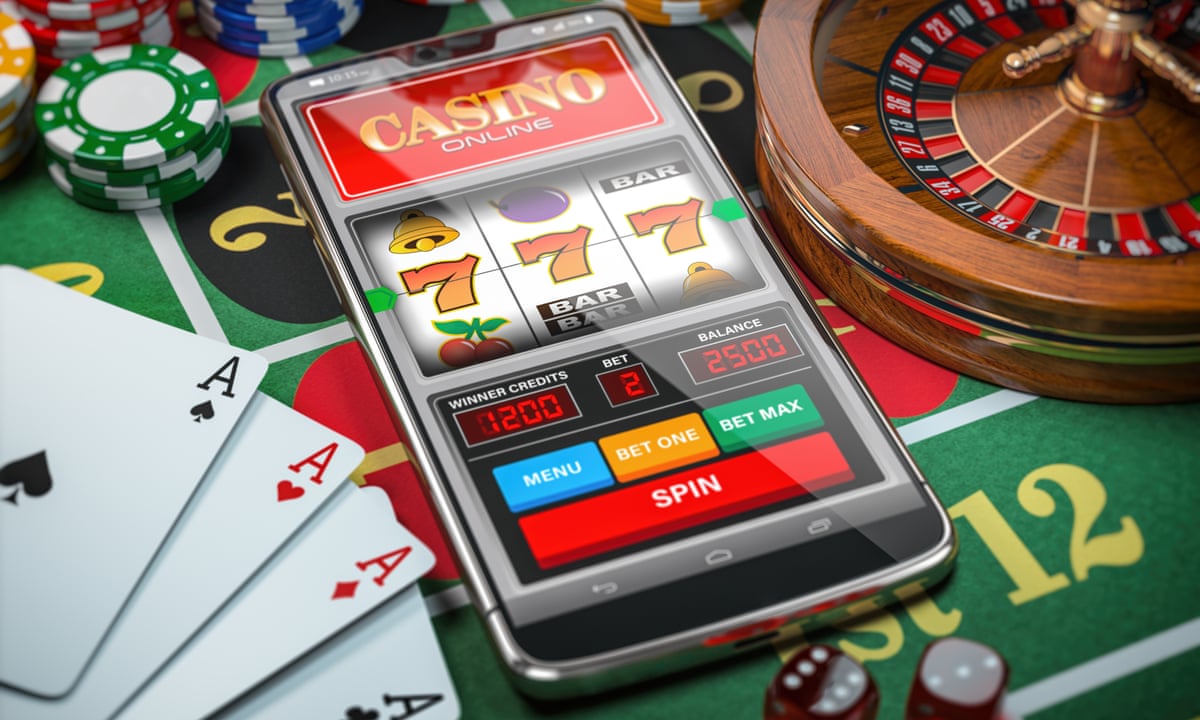
What Are Gambling Machines and Online Slots?
Although both gambling machines and online slot games serve the primary function of providing chance-based entertainment, they differ significantly in their form JM8 casino, accessibility, and technological framework.
Gambling machines are physical, hardware-based devices typically found in casinos, relying on mechanical or electronic components to determine outcomes.
Online slot games, by contrast, are software applications accessible via internet-enabled devices, utilizing Random Number Generator (RNG) algorithms within digital environments.
This distinction impacts user reach, with online slots offering global access unrestricted by location.
The divergence between tangible machinery and virtual platforms underpins their unique operational and regulatory considerations.
Gameplay Differences Between Gambling Machines and Online Slots
The operational differences between gambling machines and online slot games extend into their gameplay mechanics, influencing player interaction and experience. Gambling machines typically offer tactile feedback through physical buttons and levers, contributing to a sensory-rich environment.
Online slots rely on digital interfaces, enabling more varied themes and dynamic bonus features due to software flexibility. Return-to-player (RTP) rates are often higher online, reflecting different regulatory standards.
Additionally, online slots provide faster play cycles and automated spins, enhancing convenience but reducing physical engagement. These distinctions shape how players approach risk, pacing, and immersion, reflecting broader trends in digital versus physical gaming preferences.
Where to Play: Casinos vs Online Platforms for Slots and Machines
When choosing between casinos and online platforms for slot games and gambling machines, factors such as accessibility, environment, and regulatory oversight play critical roles.
Physical casinos offer a social atmosphere with immediate cash transactions but require travel and fixed hours.
Online platforms provide 24/7 access, diverse game selections, and remote play convenience, appealing to users valuing freedom and flexibility.
Regulatory frameworks differ: licensed casinos undergo strict local enforcement, while online platforms may operate under broader jurisdictions, influencing player protections.
Ultimately, the decision depends on individual preferences for convenience, social interaction, and perceived security in gambling experiences.

How Technology and Regulations Shape Gambling Machines and Online Slots
Differences in accessibility and regulatory environments between physical casinos and online platforms highlight the significant impact of technology and legal frameworks on gambling experiences.
Physical gambling machines operate under stringent local regulations, requiring certifications and regular inspections to ensure fairness.
In contrast, online slots leverage advanced software algorithms and cryptographic technologies, subject to digital jurisdiction laws and remote auditing.
The integration of random number generators (RNGs) online offers transparent fairness, while physical machines rely on hardware-based RNGs.
Regulatory bodies continuously adapt policies to address technological innovations, balancing player protection with operational freedom across both mediums.
Choosing Between Gambling Machines and Online Slots: Which Suits You Best?
How does one determine the most suitable gambling option between physical machines and online slots? Analyzing factors such as accessibility, game variety, payout rates, and user control reveals clear distinctions.
Physical machines offer tactile engagement and social interaction but are limited by location and operational hours.
Online slots provide broader game selections, flexible play times, and often higher payout percentages due to lower overhead.
However, they lack the sensory experience of physical machines.
Ultimately, the decision hinges on individual preferences prioritizing convenience, interaction, or sensory immersion, enabling a personalized gambling experience aligned with one’s desired freedom and control.
Conclusion
Gambling machines and online slot games present distinct experiences shaped by their gameplay mechanics, accessibility, and regulatory environments. While gambling machines offer tactile interaction within physical casinos, online slots provide convenience and diverse themes via digital platforms. Technological advancements and jurisdictional regulations further differentiate user engagement and payout structures. Ultimately, the choice depends on individual preferences for environment, game variety, and convenience, underscoring the evolving landscape of gambling consumption informed by both traditional and digital trends.
